Western Arctic Business Association
07 August 2026
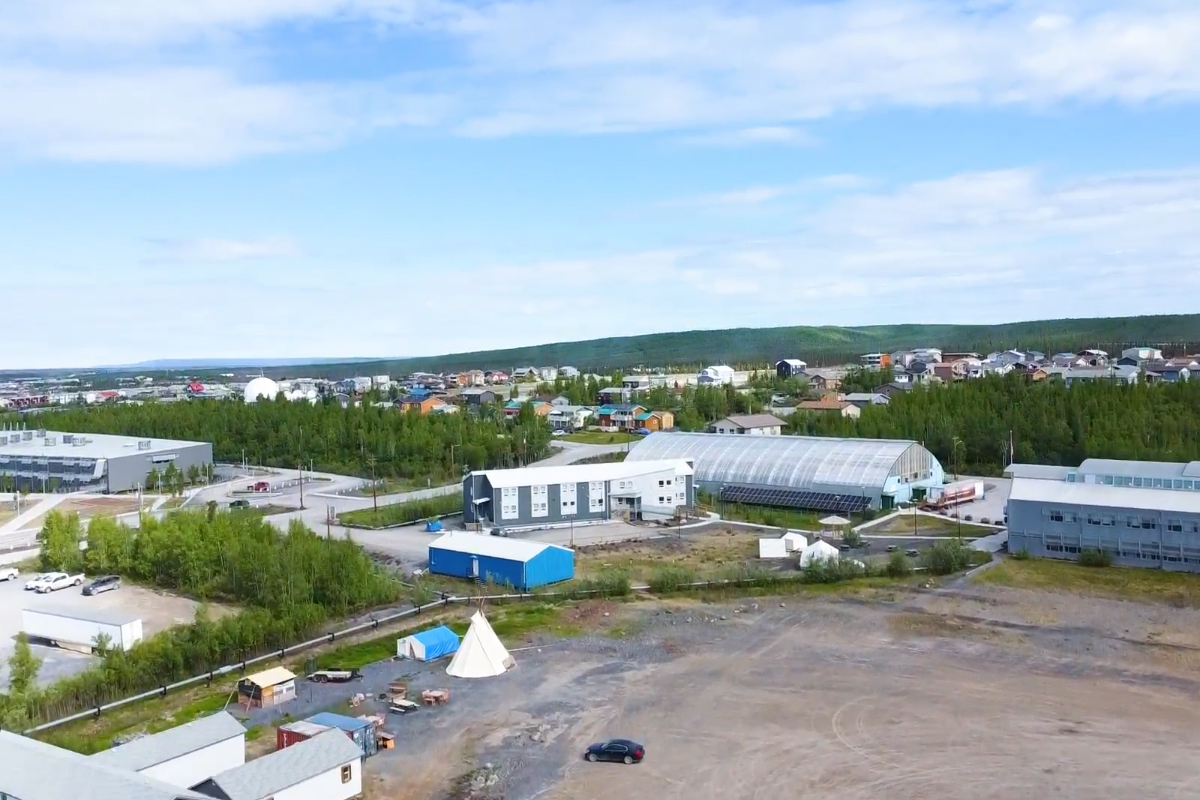
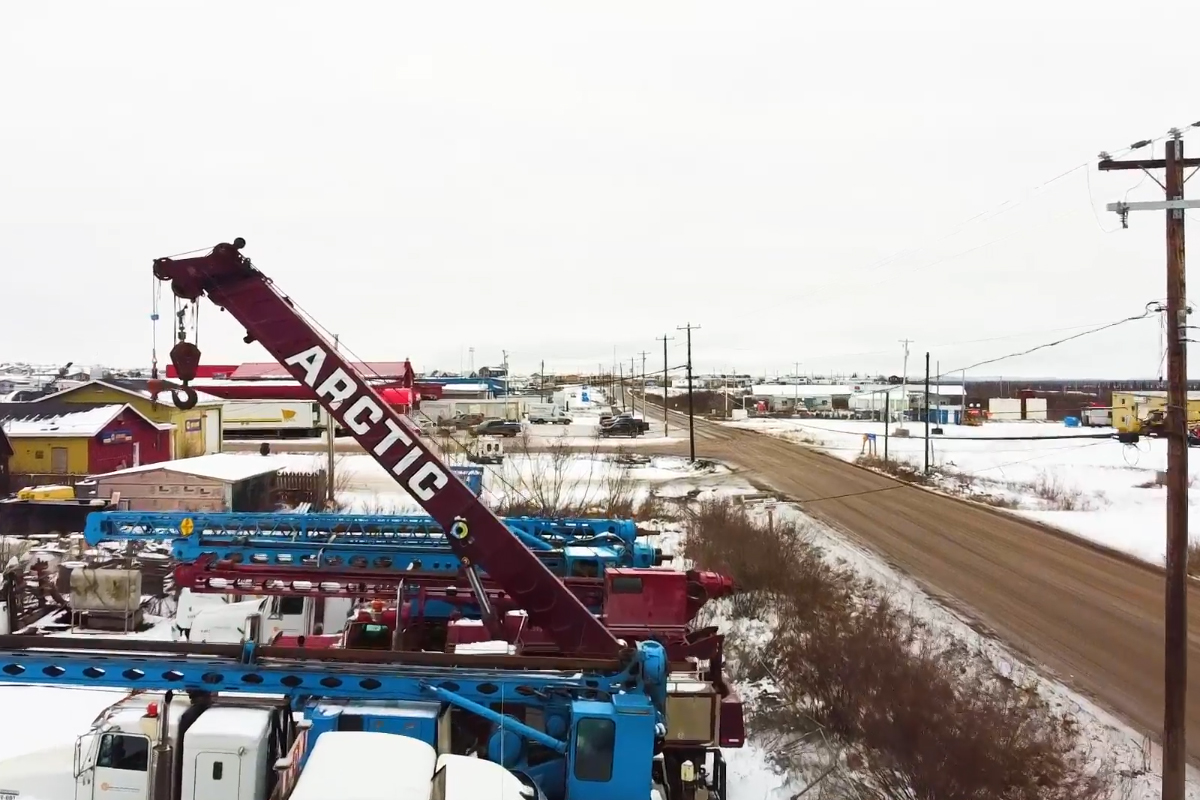
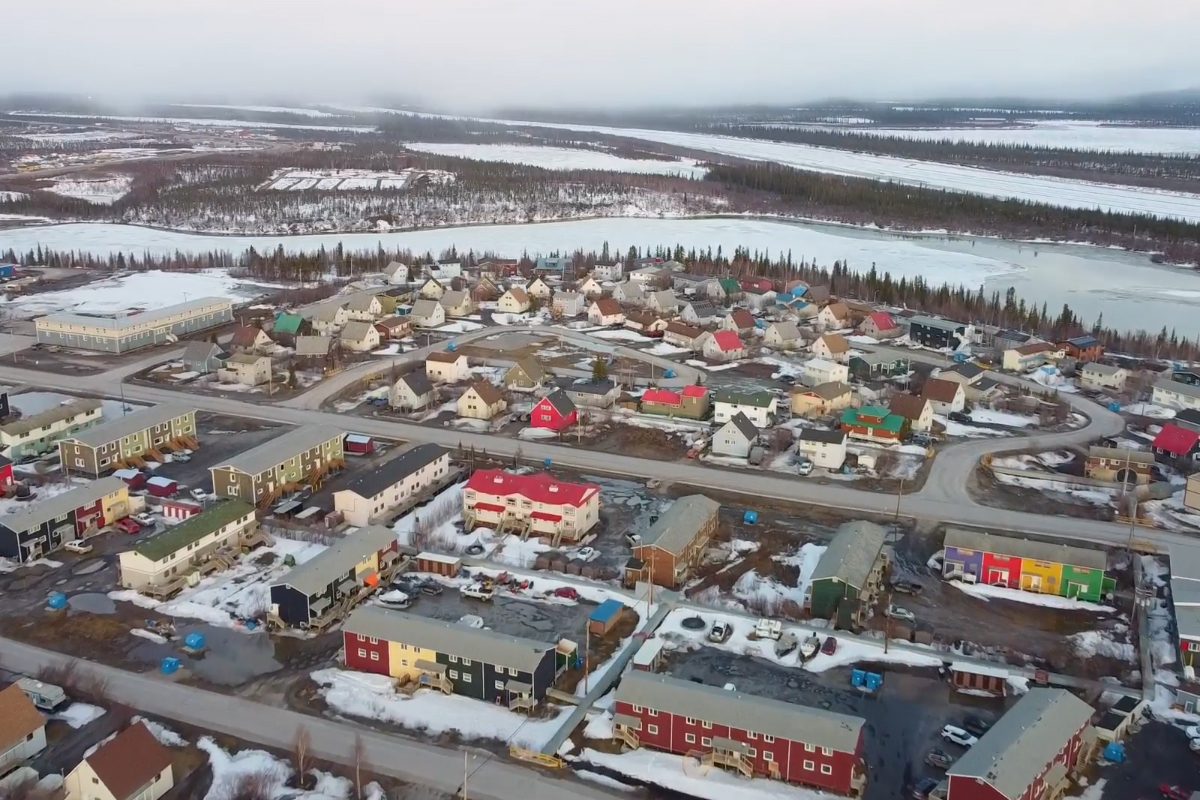
Aerial view of buildings, residential neighbourhoods, and surrounding woodland in Inuvik, Northwest Territories, Canada.
Starting a business is difficult. Growing one is harder.
The Northwest Territories has spent years building programs intended to encourage entrepreneurship, help people enter business and provide small amounts of capital for equipment, marketing, startup costs and other early-stage needs. SEED is one of the most visible examples.
That support has value. In a small northern economy, a modest contribution can be enough to help someone buy the equipment needed to begin operating, test a market, create self-employment or establish a service that did not previously exist in a community.
But a startup program and a growth program are not the same thing.
The problem appears once a business begins to work.
A company with customers, employees and several years of operating history has moved beyond the point where its biggest problem is getting started. Its challenges become larger and more expensive. It may need working capital to take on a major contract. It may need specialized equipment, management capacity, technology, skilled employees or enough financing to move from five workers to fifteen.
Those are precisely the points where a business can become economically significant.
They are also the points where northern business support becomes much thinner.
SEED’s structure illustrates the issue. Its Micro Business stream supports very small-scale enterprise. Entrepreneur Support provides relatively modest contributions for startups, expansion, market development and other business needs. Strategic Investments allows larger contributions, but the overall system remains primarily a contribution program rather than a deliberate pathway for moving proven companies from one level of scale to the next.
That distinction matters because the needs of a startup and the needs of a growing company are fundamentally different.
A startup needs a chance to prove itself.
A growing company needs enough capital and capacity to exploit something it has already proven.
Those are different risks and should require different tools.
Northern economic policy often treats business development as though it is a front-end problem: help someone start, provide a contribution, deliver training and hope that growth follows naturally. Sometimes it does. Often it does not.
The difficult middle receives far less attention.
That is the stage where businesses encounter cash-flow pressure, hiring problems, larger insurance requirements, bonding, procurement rules, equipment costs, management strain and the simple reality that growth frequently requires taking on much more risk before the revenue arrives.
A business can be profitable and still be unable to finance the next stage of growth.
It can have customers and still lack the working capital to accept their contracts.
It can have demand and still be unable to hire the people required to serve it.
Those are not startup problems. They are scale problems.
If the Northwest Territories wants a stronger private economy, this missing middle deserves much more attention.
A genuine growth program would start with businesses that have already demonstrated they can operate. It would look for evidence of customers, revenue, competent management and a credible opportunity to expand. It would then identify the specific constraint preventing growth and put enough resources behind the company to meaningfully remove it.
That support might take the form of financing, guarantees, working capital, larger contributions, management assistance, export development or help meeting the requirements of major procurement opportunities.
Most importantly, it would follow those companies afterward.
The measure of success would not be the number of applications approved. It would be whether businesses increased revenue, employment, productivity, investment and sales outside their existing markets.
This does not mean abandoning small-business support. The North needs micro-businesses, self-employment and small local operators. In many communities, those businesses provide essential services and meaningful income.
But they should not be confused with a complete growth strategy.
The Northwest Territories also needs companies capable of becoming larger employers, taking on major contracts, exporting services and products, investing in technology and competing beyond their local markets.
Those companies are not created simply by starting more businesses.
They are created by recognizing the businesses that have already proven themselves and helping them get through the next stage.
SEED can help people get into business.
The more important question now is whether our economic-development system is equally prepared to help the successful ones grow.
Western Arctic Business Association
06 February 2026
The NWT measures spending, contracts and economic activity in considerable detail. What it does not measure nearly as consistently is whether all of that intervention is producing a stronger private …
04 September 2026
Northern economic development has become very good at funding ideas. The harder question is whether those investments are actually producing durable companies.
03 July 2026
Keeping a company busy today offers little assurance of what its owner can sell tomorrow. Northern economic development needs to account for that gap.
05 June 2026
Arctic Business is brought to you by the Western Arctic Business Association (WABA)—a member-led organization that supports business growth across the region through partnerships, practical programming, and advocacy on the conditions Northern enterprises need to succeed.