Western Arctic Business Association
25 February 2026
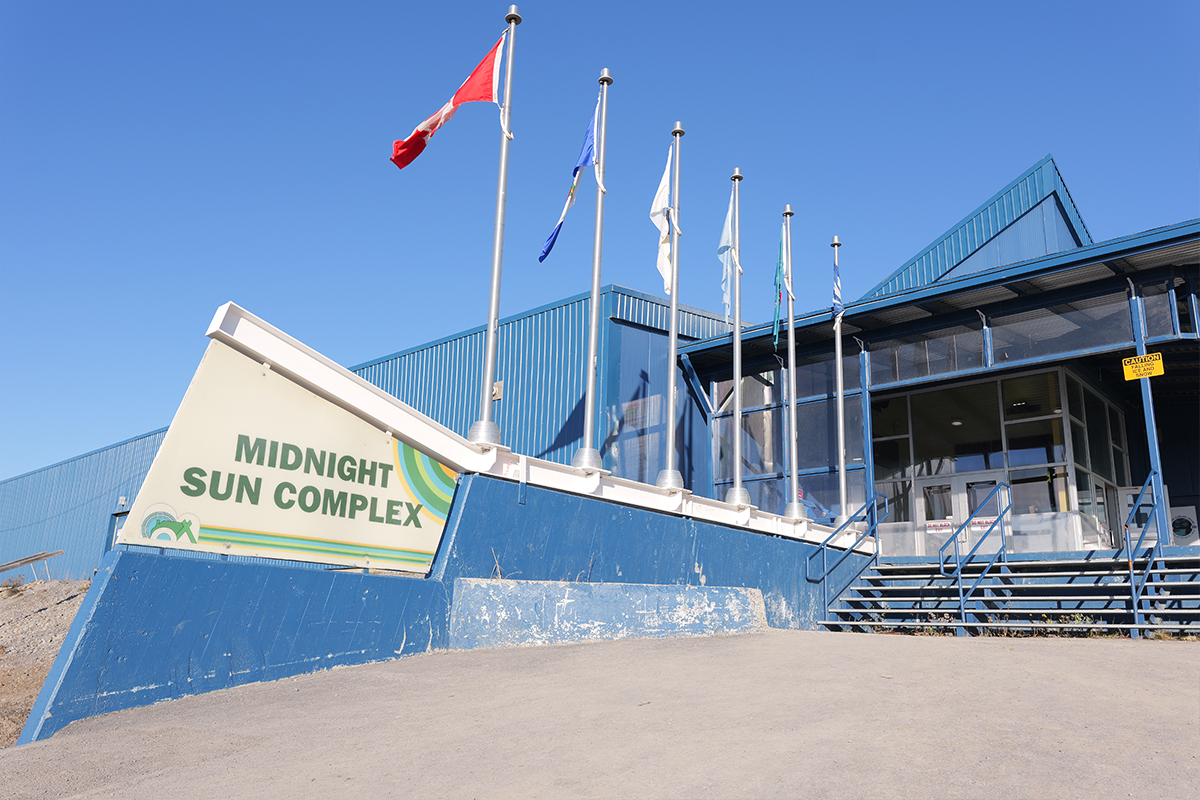
Canadian and other flags outside the Midnight Sun Complex in Inuvik, Northwest Territories, Canada.
In the 2023 Northwest Territories election, the Mackenzie Delta riding was decided by just 13 votes. Dehcho was decided by 15, and Great Slave by 26. Across the territory’s 16 contested ridings, voter turnout was only 52.5 per cent.
These are not hypothetical scenarios. A handful of voters can determine who holds public office for the next four years.
For business owners, the consequences of that choice can be enormous.
Municipal and territorial governments influence procurement, taxation, permitting, land use, infrastructure, economic development and the availability of essential services. Poor decisions in any one of these areas can undermine years of work building a company.
The risks are substantial. Discriminatory policies, poorly designed regulations, irresponsible spending, arbitrary contracting requirements, neglected infrastructure and economic policies that discourage private investment can all impose serious costs on Northern businesses. In a small market, those costs can be devastating.
Yet winning an election is not necessarily evidence of sound judgment or an understanding of government responsibilities. Candidates arrive with different backgrounds, motivations and levels of experience. The willingness to seek public office does not, by itself, establish the ability to exercise it responsibly.
That is why examining candidates’ qualifications, records and proposals matters. A persuasive campaign is no substitute for a credible understanding of the decisions an elected official will be expected to make.
Business owners already spend considerable time managing risks to their operations. They monitor expenses, assess employees, evaluate contracts and plan for uncertain market conditions. The people entrusted with governing their communities deserve at least some of that same scrutiny.
Voting does not require becoming politically active or publicly endorsing a candidate. Nor does it mean placing business interests above the broader needs of the community. Good governance should serve both.
But choosing not to participate leaves decisions with potentially disastrous business consequences entirely to those who do.
In the Western Arctic, where elections can be decided by a dozen votes, the difference between responsible government and damaging public policy may come down to whether a few more people bothered to cast a ballot.
For a Northern business owner, that is a risk worth taking seriously.
Western Arctic Business Association
15 February 2026
Customers and capable owners are only part of the equation. Northern business support must address the conditions that keep promising companies from becoming sustainable.
15 February 2026
Small businesses are expected to drive northern growth while competing for workers against publicly funded employers with deeper pockets and better benefits.
28 March 2026
Retirement and the loss of homegrown talent threaten business continuity. Economic development must give people a credible future in the region.
28 April 2026
Arctic Business is brought to you by the Western Arctic Business Association (WABA)—a member-led organization that supports business growth across the region through partnerships, practical programming, and advocacy on the conditions Northern enterprises need to succeed.