Webhorse Technologies - IT Support and Cybersecurity
03 April 2026
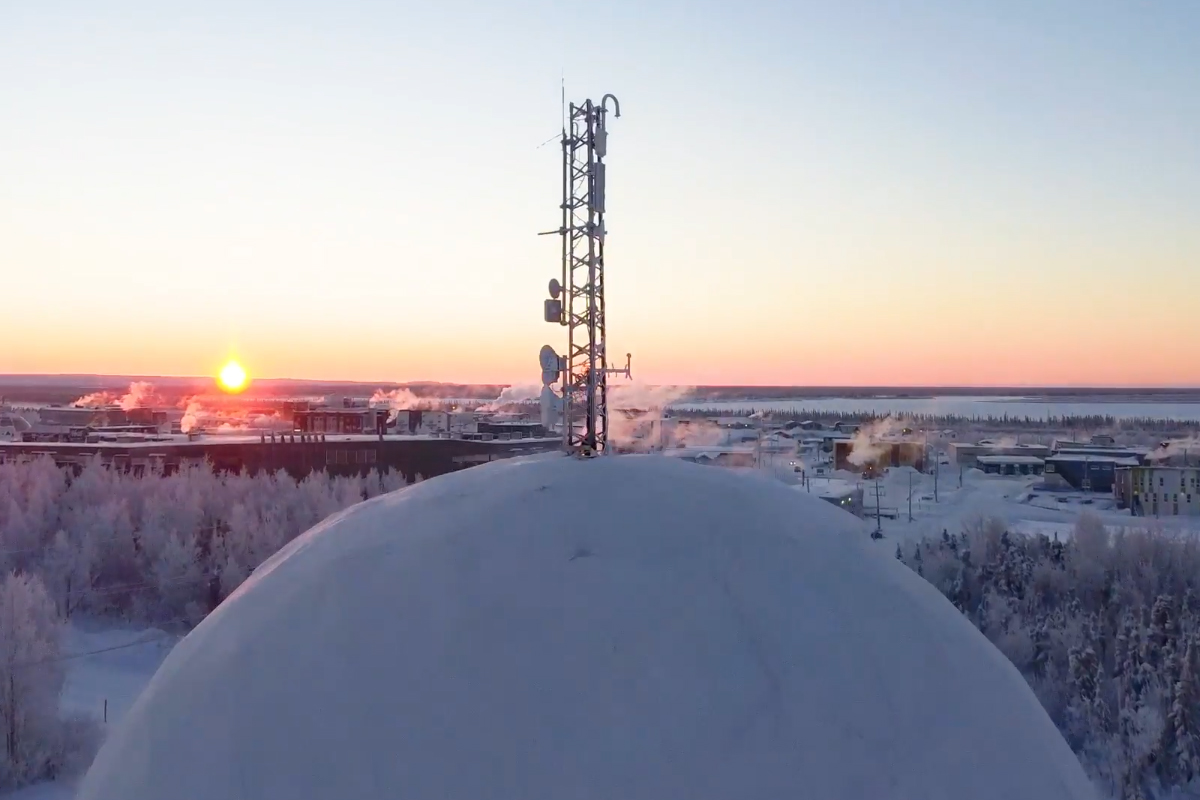
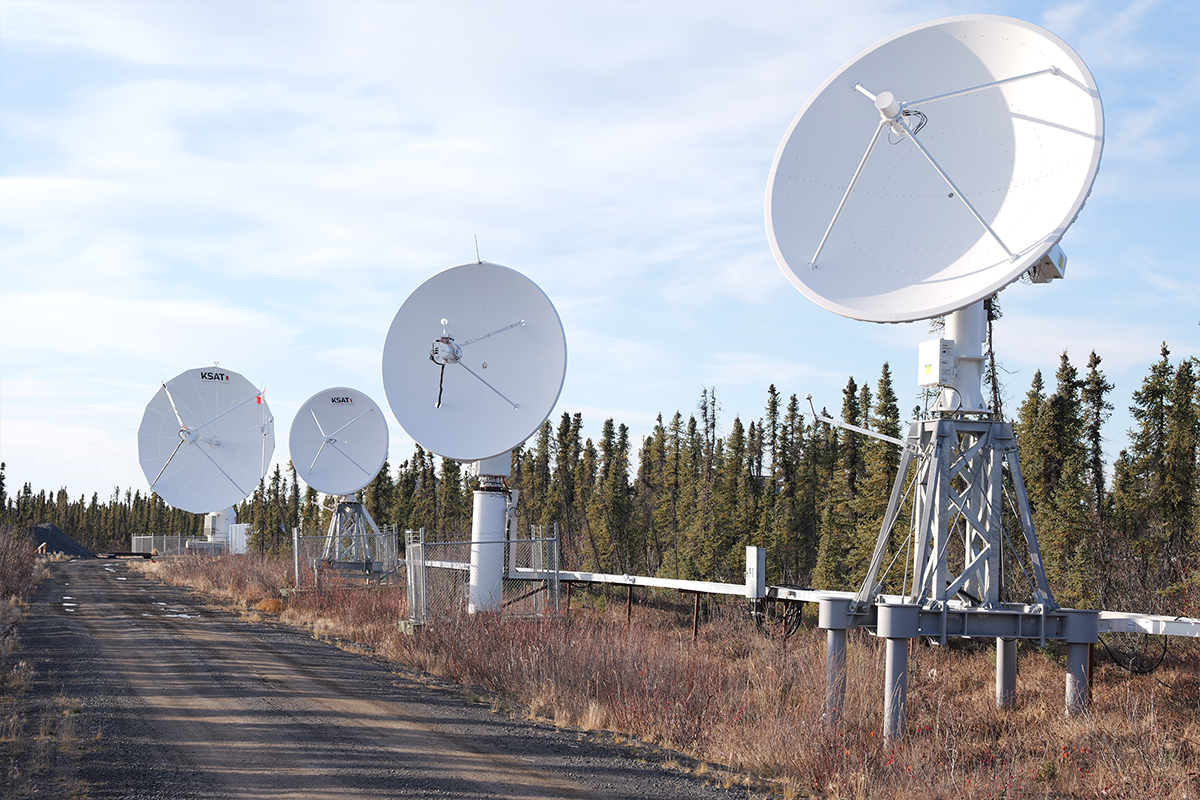
Communications tower atop a snow-covered dome overlooking Inuvik, Northwest Territories, Canada, at sunset.
In an emergency ward, a bleeding patient needs immediate attention. The same principle should guide how we address cybersecurity in the Canadian Western Arctic: identify the most urgent risks, contain the damage and stabilize the systems people depend on.
Our position is straightforward. Addressing serious weaknesses in existing systems should be an immediate priority alongside investment in new technology.
Every organization depends on a relatively small set of critical functions: communications, payroll, financial records, service delivery and access to sensitive information. Securing those functions can produce benefits now, without waiting for a major infrastructure project.
The risks already reach our region. In January 2025, the GNWT confirmed that records from several territorial education bodies, including the Beaufort Delta Division Education Council, had been stolen in the PowerSchool breach. The incident occurred in the supplier’s cloud environment, outside the GNWT network. Northern information was affected through a service delivered elsewhere.
That example does not establish that northern systems are universally insecure. It demonstrates that our exposure includes the providers and accounts on which we rely.
Stopping the bleeding begins with a focused assessment. Identify the systems whose failure would cause the greatest harm. Check who has access, how that access is protected, whether important updates are being applied and whether recovery is possible.
The Canadian Centre for Cyber Security’s baseline guidance supports practical measures such as multi-factor authentication, timely patching, restricted administrative privileges, staff training and tested backups. These are established foundations for reducing risk.
Their value depends on implementation. An unused security feature protects nobody. A backup that has never been restored leaves an organization uncertain about its ability to recover. An alert needs someone who can assess it and act.
Where a breach is suspected, immediate priorities change: qualified responders need to contain the incident, preserve evidence and coordinate decisions around essential operations. Routine maintenance and incident response require different approaches.
For northern communities, recovery deserves particular attention. Where specialist help, replacement equipment or alternative services are difficult to access, an interruption can be harder to resolve. A useful recovery plan must reflect those conditions.
It should identify who makes urgent decisions, how staff communicate when email is unavailable, which functions can continue manually and how critical services will be restored. Those arrangements should be exercised before an emergency.
This work requires sustained capacity. Equipment purchases alone cannot provide it.
Security depends on people who maintain systems, review access, investigate warnings and test recovery. Funding programs and organizational budgets should support that continuing work, including repairs identified by an assessment.
The outcome should be demonstrable: critical accounts protected, unnecessary access removed, priority vulnerabilities addressed and essential records successfully restored in a recovery test.
That provides a concrete starting point for organizations with limited resources. The first objective is to reduce the most consequential risks, then maintain and improve those protections.
New digital services can proceed at the same time, with security built into their design and operation. But the promise of future technology should never become a reason to postpone urgent repairs to what we already use.
The emergency-room analogy establishes an order of attention. Stabilization comes first; lasting recovery requires continued care.
The North needs both. Protect the services people rely on today, and build the capacity to keep them secure tomorrow.
Western Arctic Business Association
04 September 2026
Western Arctic Business Association
05 June 2026
Inuvik Web Services - Cloud Provider in Inuvik
16 January 2026
Big North Media - Website & Digital Media in Inuvik
25 December 2025
Investments in infrastructure, AI and digital services must fund the protection and continuing support those systems require.
Northern cloud providers aren’t a smaller version of southern platforms—they’re built around continuity, turnover, and community operating realities.
16 January 2026
In the Arctic, the limiting factor is often not capability—it’s discoverability and verification, and that friction quietly distorts how the region functions.
25 December 2025
Arctic Business is brought to you by the Western Arctic Business Association (WABA)—a member-led organization that supports business growth across the region through partnerships, practical programming, and advocacy on the conditions Northern enterprises need to succeed.